Proven Methods to Diminish Manufacturing Waste
The manufacturing industry is a cornerstone of the global economy, providing countless products that enhance our everyday lives. However, alongside the benefits come challenges, notably manufacturing waste. Reducing waste not only improves sustainability but also heightens operational efficiency, lowers costs, and increases profitability. This comprehensive guide explores proven strategies to effectively reduce waste in manufacturing settings.
The Importance of Reducing Manufacturing Waste
Understanding the significance of waste reduction is essential. Manufacturing waste affects environmental sustainability, economic efficiency, and corporate responsibility. By minimizing waste, companies can:
- Improve resource utilization.
- Reduce operational costs.
- Enhance brand reputation and compliance with regulations.
- Boost overall efficiency and productivity.

Identifying Sources of Waste in Manufacturing
Before we delve into the methods of reducing waste, it's critical to identify the sources. Waste can originate from various areas:
Material Waste
This is the most recognized form of waste, consisting of excess materials left unused or discarded during production.
Time Waste
Time waste includes non-value-added activities that prolong production cycles, such as machine idle time and unnecessary movement.
Energy Waste
Manufacturing processes often consume significant amounts of energy, leading to high costs and environmental impact when used inefficiently.
Defective Products
Defects result in additional production efforts and resource expenditure to replace or repair unsuccessful items.
Effective Methods to Minimize Manufacturing Waste
Implement Lean Manufacturing
Lean manufacturing is a powerful methodology focused on waste reduction without sacrificing productivity. Originating from Toyota's production system, lean manufacturing can significantly enhance efficiency and decrease waste by optimizing workflow and eliminating non-essential processes.
Key Lean Practices Include:
- Just-In-Time (JIT): This strategy minimizes inventory by producing only what is needed when it's needed.
- 5S Methodology: Sort, Set in order, Shine, Standardize, and Sustain to maintain an organized and efficient workspace.
Adopt Six Sigma Techniques
Six Sigma focuses on reducing variation within processes, ensuring consistent quality and minimizing defects. Through its data-driven approach, manufacturers can identify areas for improvement and implement solutions to reduce inefficiencies.
Six Sigma Tools Include:
- DMAIC Methodology (Define, Measure, Analyze, Improve, Control) to systematically refine production processes.
- Pareto charts and fishbone diagrams for detailed analysis of defects and waste sources.
Utilize Technology and Automation
Integrating the latest technology and automation can revolutionize manufacturing processes. Robotics and AI can handle repetitive tasks with precision, reducing error rates and minimizing waste material. Additionally, Industry 4.0 innovations facilitate smart manufacturing where interconnected systems allow real-time monitoring and adjustments.
Embrace the Circular Economy
Transitioning towards a circular economy involves designing for repair, recycling, and reuse. This approach extends product lifecycle and integrates waste back into the production cycle as valuable resources, thereby significantly diminishing manufacturing waste.
Reducing Waste Through Eco-Friendly Practices
Adopting sustainable practices not only addresses waste reduction but also aligns with global efforts to combat climate change. Here are a few eco-friendly practices:
Improve Energy Efficiency
Optimizing energy use can reduce costs and environmental impact. This can be achieved through:
- Upgrading to energy-efficient machinery.
- Implementing energy management systems.
- Utilizing renewable energy sources.
Utilize Waste as a Resource
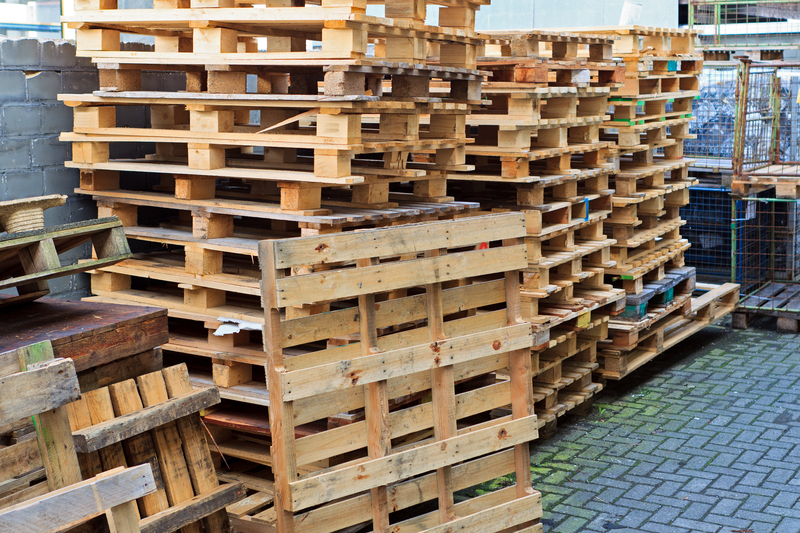
Manufacturing by-products can be repurposed or sold as raw materials for other industries. This practice reduces landfill use and transforms potential waste into a revenue stream.
Future Trends in Manufacturing Waste Reduction
Looking ahead, advancements in technology and global sustainability initiatives will continue to shape methodologies for reducing waste. Key future trends include:
Smart Manufacturing
The integration of IoT, AI, and data analytics is paving the way for smarter manufacturing environments that reduce errors and optimize resource allocation dynamically.
Advanced Recycling Technologies
Innovative recycling technologies that efficiently process diverse materials will emerge, further enabling the circular economy and minimizing waste.
Regulatory Changes and Green Policies
With increasing pressure from governments and international bodies, manufacturers will face stricter regulations emphasizing waste reduction and environmental protection.
Conclusion
Minimizing manufacturing waste is not merely an environmental or economic initiative -- it is a comprehensive strategy to enhance every facet of production. Reducing waste leads to cost savings, improved productivity, and a positive corporate image. By implementing lean principles, adopting advanced technology, embracing circular economy principles, and integrating sustainable practices, manufacturers can significantly diminish waste and secure a competitive edge in their industry.
Reducing waste is an ongoing journey, requiring regular evaluation and adaptation. By staying informed of emerging trends and adjusting operations accordingly, companies can sustain efficiency and success in the ever-evolving manufacturing landscape.